 (424) 373-8211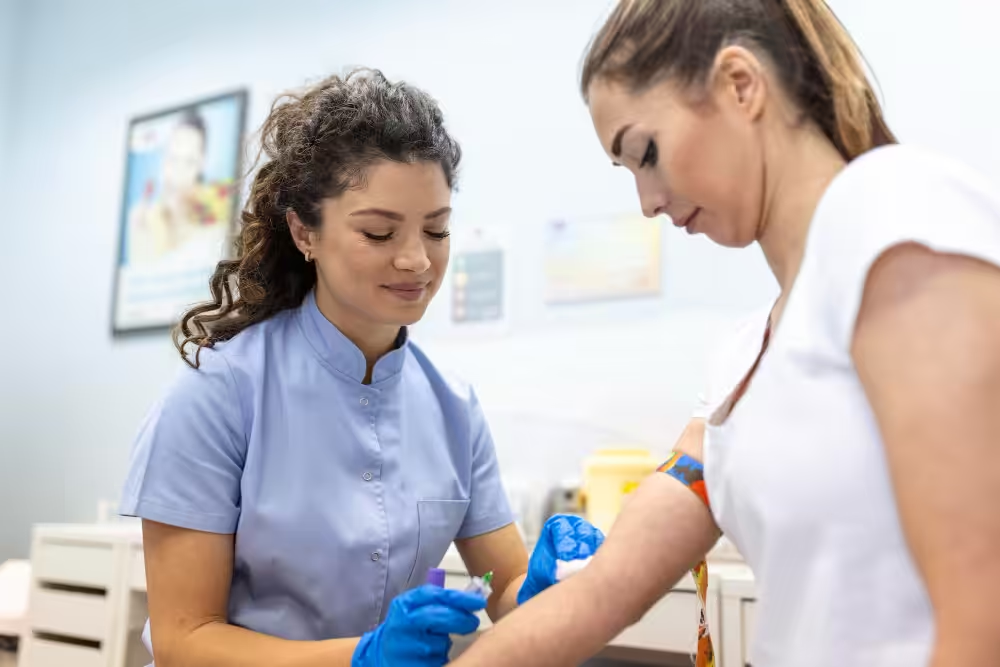

Becoming a phlebotomist typically takes a few months, depending on the training program, certification timeline, and state requirements.
VIEW PAGE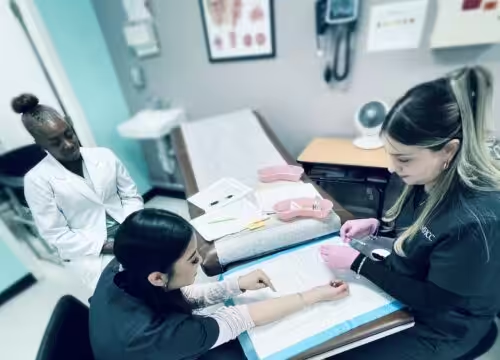
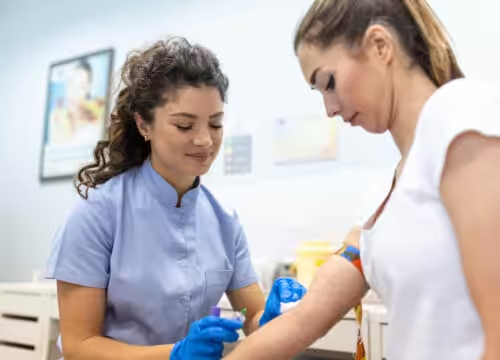
Most medical assistant programs take about 9-12 months, with accelerated options on the shorter end and associate degree paths extending up to two years.
VIEW PAGE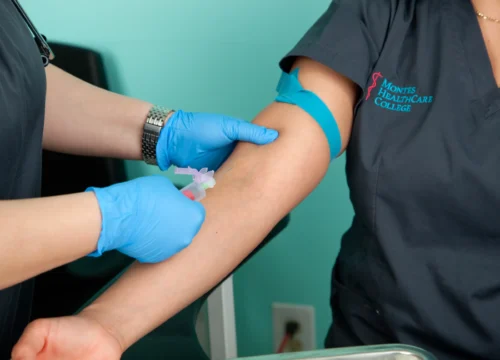
One of the biggest frustrations phlebotomists face is running into a “difficult stick”, a situation when it’s difficult to draw blood from the vein.
VIEW PAGE
Let’s dive into the top four healthcare trends to watch for in 2025 and explore how they’ll affect your daily work.
VIEW PAGE
How do you transform eager students into competent, confident medical assistants? The answer lies in the magic of hands-on training.
VIEW PAGE
Explore what phlebotomy technicians are, the essential functions they perform, and why they are indispensable in the healthcare industry.
VIEW PAGE
This blog article will provide you with tips to help you prepare for your upcoming interviews in the medical field.
VIEW PAGE
In this blog post, we'll delve into the world of medical codes, exploring how they contribute to the development of population health statistics and pave the way for effective public health interventions.
VIEW PAGE
Inpatient coding is the unsung hero of the healthcare financial landscape.
VIEW PAGE